You probably have plans for next Summer. I do. I want to do something that I have dreamt about for more than 30 years. It won’t be easy and I need to prepare, train, test myself and see if it is something I can accomplish. It's one of those projects or adventures that once you begin, you are in for the whole trip. There is no turning back after you commit.
So, I read a little about activity specific training and I picked a few exercises that looked interesting and overall applicable to my Summer “project” - more about that later. All the exercises on my new list included either non-traditional leg workouts or core development. It made sense and I picked a couple to get started. I would incorporate them into my three times a week workout regime of cardio and weights. I wondered if my body was capable of new stresses. After all, I might be 51 but I feel 31.
My dogs like to smell (if not pee on) everything in the neighborhood and they love to meet new dogs and people, although their interest wains rapidly. Getting them interested in any activity is as easy as offering my kids ice cream. So, I loaded my medium-sized pack with 35 pounds and leashed up the dogs. They probably just assumed we were going on the regular rabbit hunt. They love sniffing out the rabbit dens in the nearby field. If they jump a rabbit there is no holding them back; they can be 200 yards away before they realize they never had a chance. Every time we step outside I imagine they're planning to catch a rabbit.
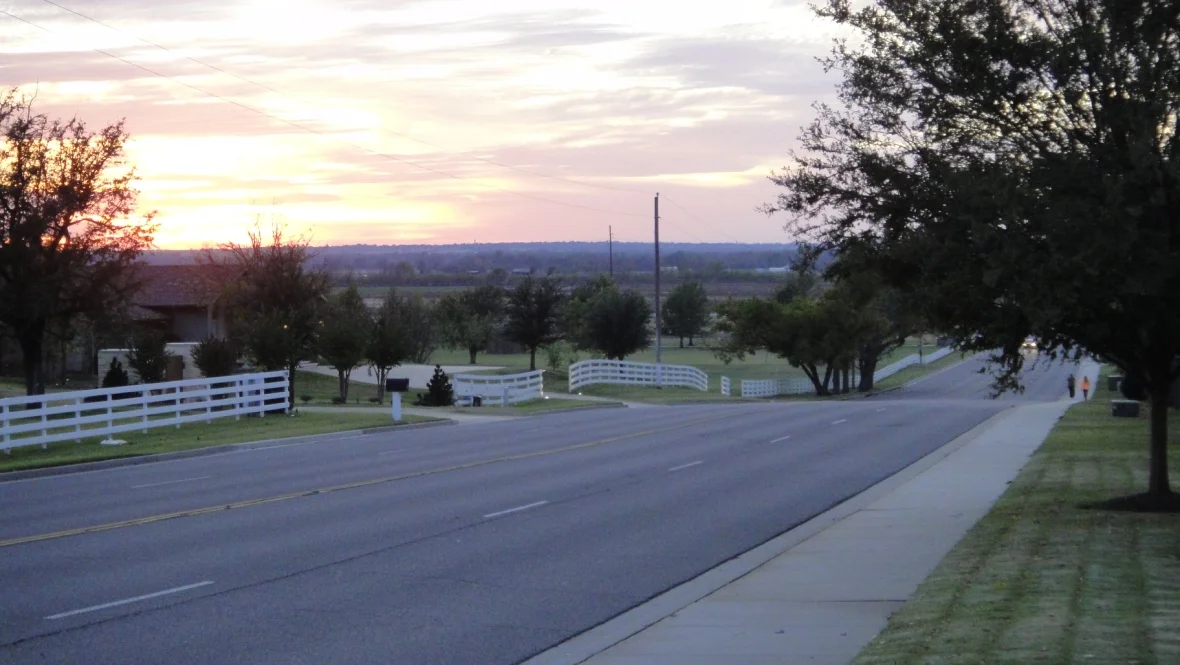
But this time we headed out of the neighborhood to a long hill that has a wide sidewalk and an even wider grassy area between the street and fence. This is exactly the terrain the new exercise required - 100 yards of a grassy gradual downhill. I was going to simulate the long descent backpackers sometimes overlook in their training.
I'll get a little technical here but you might think me a bit touched if I don’t explain why the exercise is so important. You see, most people assume the climb up a mountain pass or peak is the hard part. It isn’t easy to be sure, and with 40 or 50 additional pounds on your back it is that much more difficult. However, it takes three times as much energy to walk downhill as up. Three times!
More bio-mechanics here: descending steps require something called “eccentric contractions”, meaning you are actually lengthening your leg muscles (the quads) as you contract them. Weight-lifters in my gym - the super serious guys - call these “negatives”. If you want to build strength it is important to hit your muscles with different approaches.
While you climb a mountain over the course of 2 to 6 hours, it's probably the descent that is going to create those cramps and soreness the next morning and day after. Building strength in your quads for multiple days of repetitive climbing and descending is important. I want to keep up with the 20-somethings I'll be working with this Summer and not be the "old guy" everyone waits on or worse yet, needs to be taken care of.
So, here we were, me, Molly and Mia, at the top of the hill. The dogs were looking at me wondering why we were on this small tame stretch of groomed grass. I began tentatively with my first lunge. Not so bad. I took about 75 more to reach the bottom of the hill, stopping several times as we lunged down the hill. Molly and Mia were looking at me for answers to our start and stop, slow, silly walk. We reached the bottom and took off for the top of the hill again. Climbing was, interestingly, a relief.
This slow workout is tough. I needed to breathe and rest my tired legs. The sun was setting and the sky was an exploding orange turning dark red and purple. I tied the girls to a fence post so they could watch round two. The second trip required a few more stops than the first. I walked slowly up to where they were impatiently waiting and stretched a little before our half mile walk back home.
As I stretched, my rabbit chasers became interested in something across the street in the field of a small horse ranch. I didn’t see it at first but then realized there was a deer running back and forth at the fence looking for a way out. It stopped suddenly. Molly was at attention. The deer jumped over the fence and Molly jumped too. Swiftly and silently the deer sprinted across the street and into the woods. Molly looked up at me as if to say, “was that a big rabbit?”
Molly never had a chance. She is an old lady these days but still thinks of herself as a pup. I am an older guy with similar thoughts. I sympathize with her. I encourage her to chase squirrels and rabbits. Nothing should stop her if she wants to play.
These downhill, weighted lunges should put the spring in my step. I hope those 20-somethings are drinking beer and playing video games. But I think they'll probably be like that young deer, jumping fences, bounding with energy and disappearing into the woods.
Maybe I should've started training earlier.